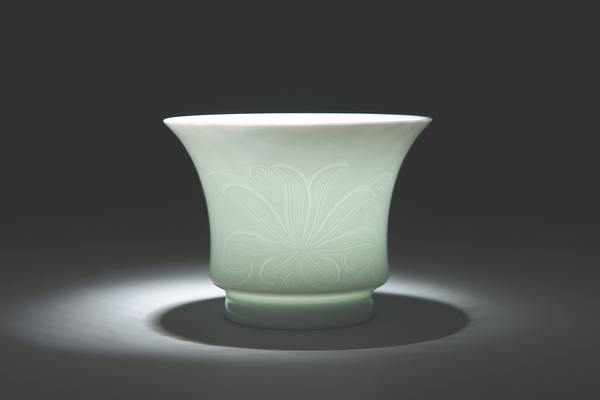
Qingbai Porcelain
Introduction
Qingbai porcelain, also known as bluish-white porcelain, is a remarkable and historically significant type of Chinese ceramic that originated during the Song Dynasty (960-1279). Renowned for its delicate beauty, Qingbai porcelain is characterized by its translucent glaze, which exhibits a jade-like quality with subtle hues of blue and green. This porcelain is celebrated for its understated elegance, simplicity, and intricate craftsmanship, making it a hidden gem in the rich legacy of Chinese ceramic art.
Qingbai porcelain holds a unique place in the history of Jingdezhen, the porcelain capital of East China's Jiangxi province, where it was widely produced during the Song Dynasty. Unlike the vibrant and contrasting colors of Qinghua porcelain, Qingbai porcelain is distinguished by its reserved and harmonious aesthetic. It features hidden relief patterns that become visible when held up to the light, showcasing its intricate designs and technical sophistication.
The porcelain's production techniques and artistic sensibilities were influenced by the refined tastes of Song Dynasty scholars, who valued naturalism, tranquility, and harmony. These qualities made Qingbai porcelain a pinnacle of ceramic art and a significant contributor to the development of other porcelain varieties, including Qinghua, red underglaze, red and green overglaze, and famille rose.
The revival of Qingbai porcelain in modern times has been spearheaded by dedicated artisans like Wang Shangbin, who has spent decades studying, restoring, and reproducing this ancient craft. His efforts, along with those of other skilled craftsmen, have brought Qingbai porcelain back into the spotlight, earning recognition from museums and collectors worldwide. Despite its challenges, the preservation and promotion of Qingbai porcelain continue to inspire new generations of artists and enthusiasts, ensuring that this exquisite art form remains a vital part of China's cultural heritage.








